Tips To Master Custom Metal Fabrication Techniques
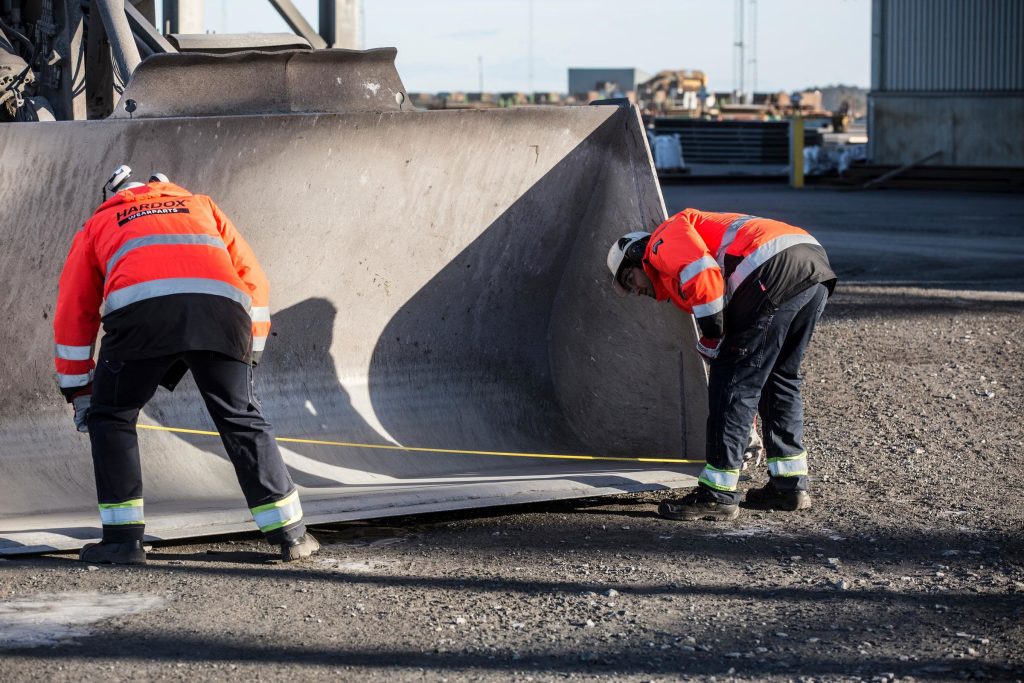
Metal fabrication techniques continue to change with new equipment and updated methods. From bending and welding to cutting and finishing, each step involves care and proper handling. Mastering fabrication is heavily reliant on how materials are selected, measured, and processed in the workshop.
Learn the properties of each metal
Each type of metal reacts differently during cutting, welding, or bending. Steel, aluminium, and copper differ in thickness, strength, and temperature response. Knowing these traits of custom metal fabrication UAE allows for better planning when deciding how to shape or join different materials.
Practice accurate measuring and marking
Measurements guide every step in custom fabrication. Accurate marking before cutting helps reduce waste and supports a good fit in assembly. Use proper tools like steel rulers, calipers, and marking gauges. Double-check lengths, angles, and hole positions before moving to the next stage.
Maintain sharp and clean tools
Sharp tools produce better results during cutting or drilling. Worn blades or dirty machines may cause uneven cuts, heat damage, or unwanted marks. Keep blades sharpened and clear debris after each session. Clean tools are also less likely to damage the workpiece.
Develop proper welding techniques
Welding is central in metal fabrication. Practice different weld types such as MIG, TIG, and stick welding. Control the angle, heat, and wire feed during the process. Test each method on scrap before applying to the actual piece. Proper safety gear and ventilation are always necessary during welding.
Use jigs and fixtures for repeat parts
When making multiple copies of the same piece, jigs and fixtures support steady shaping and alignment. These aids guide machines or tools and help keep each piece uniform. Build simple jigs from leftover material or use adjustable clamps during welding or drilling.
Understand machine settings and speeds
Machines such as brake presses, plasma cutters, and rollers come with adjustable settings. Match speed and pressure to the metal type and thickness. Too much force may bend the piece out of shape, while slow speeds may delay the job. Read manuals and test small sections before final cuts.
Review the finished product carefully
After assembly, inspect each edge, joint, and surface. Check for cracks, extra welds, or gaps. Light sanding or grinding may improve final touches. Straighten or adjust pieces before sending them for finishing or coating.